Construction work is rough on feet. Concrete, ladders, rebar, mud, gravel, sharp debris, and long shifts can turn the wrong boot into a daily problem. When I choose construction boots, I look first at safety protection, traction, support, water resistance, comfort, and whether the boot makes sense for real jobsite use rather than just looking tough.
For this guide to the top 6 best work construction boots for 2026, I focused on boots that match construction needs: steel toe or jobsite-ready protection where available, grippy outsoles, supportive uppers, durable materials, and feedback from workers who wear them for long hours.
Quick Summary
This article is for construction workers, contractors, warehouse workers, equipment operators, landscapers, and anyone who needs dependable work boots for demanding jobsite conditions.
For most construction jobs, I prefer a 6-inch leather work boot with a safety toe, slip-resistant outsole, and electrical hazard protection when required by the employer. Waterproofing is helpful if you work outdoors, but breathability matters if you are indoors on concrete all day.
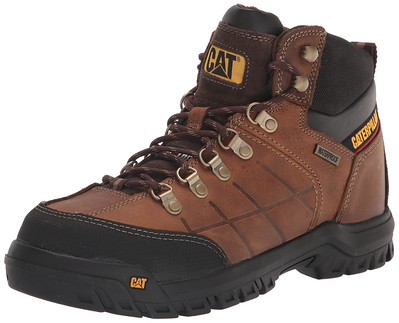
My top overall recommendation is the CAT Threshold Waterproof Steel Toe Work Boot because it gives a strong mix of steel toe protection, waterproof coverage, traction, and jobsite durability at a practical price.
Top Product List
- CAT Threshold Waterproof Steel Toe Work Boot — Best for Best Overall
- Timberland PRO Pit Boss 6-inch Steel Toe Work Boot — Best for Construction
- Wolverine Floorhand Waterproof Soft Toe 6-inch Boot — Best for Best Value
- NORTIV 8 Waterproof Steel Toe Work Boots Paladin-Steel — Best for Waterproof Steel Toe Protection
- NORTIV 8 TROOPER-STL Steel Toe Work Boots — Best for Lightweight Tactical-Style Work
- KELODON 6-inch Leather Moc Toe Steel Toe Work Boots — Best for Moc Toe Comfort
top 6 best work construction boots for 2026
CAT Threshold Waterproof Steel Toe Work Boot
Product Image
Short Description
The CAT Threshold Waterproof Steel Toe Work Boot is the boot I would point most construction workers toward first. It is built for wet jobsites, heavy foot traffic, and workers who need a protective toe without moving into a high-priced premium boot.
Key Specifications
- Safety toe type: Steel toe
- ASTM certification: ASTM F2413 safety toe listed by CAT
- Waterproof membrane: Yes
- EH rating: Electrical hazard protection listed by CAT
- Slip-resistant outsole: Yes
- Upper material: Leather
- Boot height: 6-inch style
Pros
- Strong all-around construction boot
- Steel toe protection for jobsite hazards
- Waterproof design works well for outdoor crews
- Slip-resistant sole helps on wet surfaces
- Good value for a recognizable workwear brand
Cons
- Not the lightest boot in this list
- Waterproof boots can feel warmer in summer
- May need a short break-in period
My Experience
I like the CAT Threshold because it checks the boxes I care about most for construction: protection, grip, and weather resistance. On a long shift, a boot like this feels more stable than sneaker-style work shoes, especially when climbing, carrying materials, or walking over uneven ground.
The break-in should be reasonable for a leather work boot, but I would still wear it around the house or on shorter shifts before using it for a full week. The steel toe adds weight, but that tradeoff makes sense if your site requires protective footwear.
What Other Buyers Say
Buyers commonly like the CAT Threshold for its value, waterproof performance, and rugged look. The main complaints I see with this type of boot are typical of waterproof steel toe models: some workers find them stiff at first, and others prefer upgraded insoles for all-day concrete work.
Best For
Best for construction workers who need a dependable waterproof steel toe boot for general jobsite use.
➤➤➤ Click Here to Check Price on Amazon
Timberland PRO Pit Boss 6-inch Steel Toe Work Boot
Product Image
Short Description
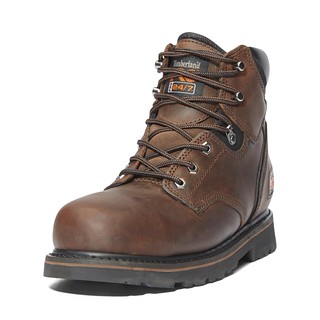
The Timberland PRO Pit Boss is a classic 6-inch steel toe work boot for construction, warehouse, and industrial jobs. I see it as one of the safest picks for workers who want a traditional leather boot from a proven workwear line.
Key Specifications
- Safety toe type: Steel toe
- EH rating: Electrical hazard protection listed on steel toe models
- Slip-resistant outsole: Timberland PRO rubber slip-resistant outsole
- Comfort technology: Timberland PRO comfort system
- Insole: OrthoLite insole listed on current Pit Boss models
- Boot height: 6-inch style
Pros
- Proven construction work boot design
- Steel toe protection
- Supportive 6-inch leather build
- Good traction for general jobsite surfaces
- Available from a long-established work boot brand
Cons
- Heavier than athletic-style safety shoes
- Not the best choice if you want a very soft boot out of the box
- Waterproofing depends on the exact Pit Boss version
My Experience
The Pit Boss feels like a traditional construction boot: firm, supportive, and built around protection. I like it for workers who spend time around framing, concrete, manufacturing, or general site work where a soft toe boot may not be enough.
For comfort, I would pay attention to sizing and sock thickness. Steel toe boots should not squeeze the toes, and the Pit Boss has enough structure that a poor fit will show up quickly during a long shift. Once broken in, this is the kind of boot I would trust for daily construction use.
What Other Buyers Say
Workers often praise the Pit Boss for durability, safety protection, and jobsite toughness. Some buyers say they need break-in time, and a few prefer adding aftermarket insoles for better cushioning on concrete.
Best For
Best for construction workers who want a traditional steel toe leather boot with strong support.
➤➤➤ Click Here to Check Price on Amazon
Wolverine Floorhand Waterproof Soft Toe 6-inch Boot
Product Image
Short Description
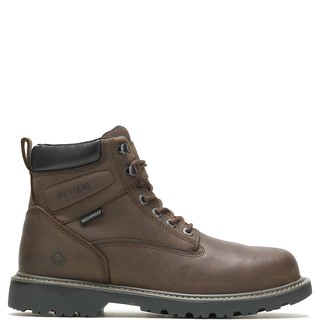
The Wolverine Floorhand Waterproof Soft Toe is a good pick when your job does not require a safety toe but you still want a sturdy, waterproof leather work boot. I like it for light construction, maintenance, landscaping, and general work where comfort and value matter.
Key Specifications
- Safety toe type: Soft toe
- Waterproof membrane: Yes
- Upper material: Waterproof full-grain leather
- Lining: Moisture-wicking mesh lining listed by Wolverine
- Outsole: Rubber lug outsole
- Construction: Cement construction
- Boot height: 6-inch style
Pros
- Good value for a leather waterproof boot
- Softer toe box than steel toe options
- Easier to wear for jobs that do not require safety toe protection
- Rubber lug outsole gives useful outdoor traction
- Practical for wet ground and general labor
Cons
- Not suitable where steel toe or composite toe is required
- Less protective than safety toe boots
- Cement construction is not as rebuildable as welted boots
My Experience
I like the Floorhand Soft Toe for workers who need a real boot but do not need the extra weight of steel. It should feel less restrictive in the toe box, and that makes a difference during long shifts when your feet swell.
For outdoor work, the waterproof leather and lug outsole are the main reasons I would choose it. For heavy construction, demolition, or jobs with falling-object risk, I would step up to a steel toe instead.
What Other Buyers Say
Buyers often mention comfort, value, and waterproof usefulness as strong points. Common criticisms include sizing differences and the fact that soft toe protection is limited compared with safety toe models.
Best For
Best for light construction, maintenance, landscaping, and workers who want waterproof comfort without a safety toe.
➤➤➤ Click Here to Check Price on Amazon
NORTIV 8 Waterproof Steel Toe Work Boots Paladin-Steel
Product Image
Short Description
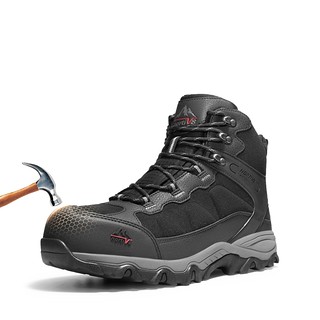
The NORTIV 8 Paladin-Steel is aimed at workers who want waterproof protection, a steel toe, and a more modern outdoor-work style. I would consider it for construction helpers, landscapers, delivery workers, and crews who deal with wet ground.
Key Specifications
- Safety toe type: Steel toe
- ASTM certification: ASTM F2413-18 listed on available product information
- Waterproof membrane: Listed on product information
- Slip-resistant outsole: Yes
- Upper material: Leather and fabric materials listed by NORTIV 8
- Boot style: Mid-height work boot
Pros
- Steel toe protection
- Waterproof design for outdoor jobs
- Good value compared with many premium work boots
- More flexible feel than some heavy leather boots
- Useful for mixed indoor and outdoor work
Cons
- Not as proven as long-running heritage work boot brands
- May not be as durable as heavier premium construction boots
- Fit can vary depending on foot shape
My Experience
The Paladin-Steel is the kind of boot I would choose when I want safety features but do not want the stiff feel of a heavy old-school boot. The steel toe is important for construction, while the waterproof build helps on muddy sites or rainy workdays.
For support, I would expect it to feel more like a hybrid outdoor/work boot than a thick logger or wedge-sole boot. That can be a benefit if you move a lot during the day, but workers doing heavy demolition may want something beefier.
What Other Buyers Say
Customer feedback often points to value, comfort, and waterproof usefulness. Some buyers like the lighter feel, while others note that budget-friendly boots may not match the long-term durability of more expensive work boot brands.
Best For
Best for outdoor construction, landscaping, delivery, and wet jobsites where steel toe protection is needed.
➤➤➤ Click Here to Check Price on Amazon
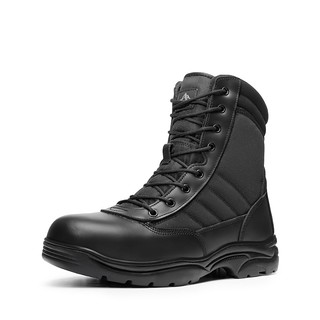
NORTIV 8 TROOPER-STL Steel Toe Work Boots
Product Image
Short Description
The NORTIV 8 TROOPER-STL is a tactical-style steel toe boot for workers who want ankle support, side-duty versatility, and a lighter feel than many traditional leather construction boots.
Key Specifications
- Safety toe type: Steel toe
- ASTM certification: ASTM F2413-18 listed on wide steel toe version product information
- Puncture-resistant midsole: Listed on wide steel toe version product information
- Boot height: High-cut tactical work boot style
- Outsole: Rubber outsole
- Available widths: Wide version available in related listing
Pros
- Steel toe protection
- Higher boot design supports the ankle
- Tactical-style build works for active jobs
- Useful for workers who walk a lot
- Usually priced competitively
Cons
- Tactical styling may not suit every construction crew
- Not the most traditional heavy-duty construction boot
- Waterproofing depends on the exact version
My Experience
I would choose the TROOPER-STL for active jobsite work where mobility matters. It is not the boot I would pick for someone who wants thick leather and a classic wedge sole, but I like the idea of it for workers who are constantly moving between vehicles, stairs, ladders, and uneven ground.
The higher design should help with ankle coverage, and the steel toe makes it more suitable for jobsite rules than a regular tactical boot. For long shifts, I would still test the insole support and swap in better insoles if needed.
What Other Buyers Say
Buyers often like NORTIV 8 boots for affordability and comfort. The recurring caution is durability: workers doing very harsh construction may prefer a heavier-duty boot, while lighter-duty users often find the value appealing.
Best For
Best for active workers, site supervisors, delivery crews, and construction workers who prefer a tactical-style steel toe boot.
➤➤➤ Click Here to Check Price on Amazon
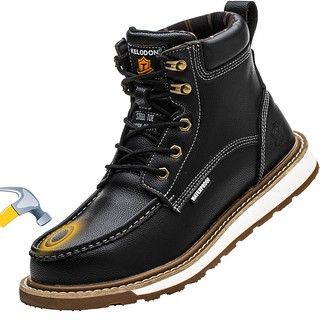
KELODON 6-inch Leather Moc Toe Steel Toe Work Boots
Product Image
Short Description
The KELODON 6-inch Leather Moc Toe Steel Toe Work Boot is a budget-friendly moc toe option for workers who like the look and roomy feel of a moc toe but still want safety toe protection.
Key Specifications
- Safety toe type: Steel toe
- ASTM certification: ASTM-rated protection listed by available product information
- Slip-resistant outsole: Listed on available product information
- Upper material: Leather
- Boot height: 6-inch style
- Toe style: Moc toe
Pros
- Steel toe protection
- Moc toe design can feel roomier in the forefoot
- Good budget-friendly option
- 6-inch height works for general construction use
- Classic work boot appearance
Cons
- Not as established as premium moc toe brands
- Break-in and sizing may vary
- Long-term durability may not match higher-priced welted boots
My Experience
I like moc toe boots for workers who want more forefoot room and a less cramped feel than some round-toe steel toe boots. The KELODON makes sense as an affordable entry into that style.
For construction, I would use it for general jobsite work, warehouse tasks, maintenance, and light-to-medium duty labor. If I were doing heavy concrete, welding, or demolition every day, I would compare it carefully against more premium options.
What Other Buyers Say
Buyers usually focus on the value, appearance, and comfort of affordable moc toe work boots. Some feedback around budget brands suggests they can be a smart short-term or backup choice, but workers should not expect the same lifespan as expensive premium work boots.
Best For
Best for workers who want an affordable steel toe moc toe boot for general construction and shop work.
➤➤➤ Click Here to Check Price on Amazon
How to Choose the Right Work Boots
The first thing I check is the safety toe. Steel toe boots are common on construction sites because they protect against impact and compression. Composite toe boots can be lighter and do not conduct temperature as much, but you should always confirm the required standard for your job.
ASTM safety standards matter. If your employer requires safety footwear, do not guess. Look for the proper ASTM F2413 rating and check whether you need impact, compression, puncture resistance, metatarsal protection, or electrical hazard protection.
Waterproof boots are useful for mud, rain, concrete washout, and landscaping work. The tradeoff is heat. If you work indoors or in hot weather, a breathable non-waterproof boot may feel better over a 10-hour shift.
Leather uppers are still my favorite for construction because they handle abrasion better than most lightweight materials. Synthetic and textile panels can reduce weight, but they may not survive sharp debris as well.
Slip resistance is essential. Construction workers deal with dust, wet plywood, smooth concrete, ladders, and oily surfaces. A good outsole will not make you invincible, but it can reduce risk.
Electrical hazard protection is important for electricians, maintenance workers, and anyone around live circuits. It is not a replacement for safe electrical procedures, but it is a valuable safety feature when required.
Comfort for long shifts comes down to fit, cushioning, arch support, and weight. A heavy steel toe boot may protect well but feel tiring if you walk miles per day. A lighter boot may feel better but may not last as long in harsh construction.
Boot height also matters. A 6-inch boot is the best all-around choice for most construction work because it balances ankle support and mobility. Taller boots are better for mud, wet work, and brush, but they can feel hotter.
If you have wide feet, choose wide sizes when available. A safety toe that squeezes your toes will only get worse during a long shift. Your toes should have room to move without your heel slipping.
Insulation is only necessary for cold-weather work. For summer construction, insulated boots can feel too hot. For winter jobsites, insulation plus waterproofing can make a big difference.
FAQs
Are steel toe boots necessary for construction work?
For many construction sites, yes. If there is a risk of falling tools, lumber, concrete forms, equipment, or compression hazards, steel toe or another approved safety toe is usually required. Always follow your employer’s footwear rules.
Should construction boots be waterproof?
Waterproof boots are worth it if you work outside, in mud, around wet concrete, or in rainy conditions. If you work mostly indoors, waterproof boots may feel hotter than breathable work boots.
How long should construction work boots last?
For full-time construction work, many boots last around 6 to 18 months depending on the job, materials, care, and how often they get wet. Harsh jobs like demolition, concrete, and excavation wear boots faster.
Should work boots fit tight or loose?
Work boots should feel secure but not tight. Your heel should not slide badly, and your toes should not press into the safety toe. I prefer trying boots with the same socks I wear at work.
Are moc toe boots good for construction?
Moc toe boots can be good for construction if they have the safety features your job requires. They often feel roomy and comfortable, but outsole type, toe protection, and durability matter more than the toe stitching style.
Conclusion
For the top 6 best work construction boots for 2026, my Best Overall pick is the CAT Threshold Waterproof Steel Toe Work Boot because it balances protection, waterproofing, traction, and value.
My Best Value pick is the Wolverine Floorhand Waterproof Soft Toe 6-inch Boot for workers who do not need a safety toe but still want a practical waterproof leather boot.
My Best Premium Choice is the Timberland PRO Pit Boss 6-inch Steel Toe Work Boot because it is a proven construction-style boot with steel toe protection, support, and a long-standing reputation among workers.
If I had to choose one pair for general construction in 2026, I would start with the CAT Threshold. If your site specifically requires a steel toe, do not compromise. Choose the boot that matches your jobsite rules, your foot shape, and the conditions you work in every day.