Choosing the best work shoes for electricians is not just about comfort. When I look at footwear for electrical work, I pay close attention to electrical hazard protection, safety toe design, outsole grip, support, and how the shoe or boot feels after long hours on ladders, concrete floors, panels, and jobsite walkways.
Electricians often move between finished indoor spaces, rough construction areas, damp mechanical rooms, and slippery warehouse floors. That means the right pair needs to balance protection with mobility. Too much weight can wear me down by mid-shift, but too little structure can leave my feet sore and unsupported.
For this 2026 guide, I focused on work shoes and boots that make sense for electricians: safety toe protection where useful, dependable traction, comfort for long shifts, and designs that suit electrical, maintenance, construction, and industrial work.
Quick Summary
This article is for electricians, electrical apprentices, maintenance techs, low-voltage installers, panel builders, and anyone who spends long shifts around tools, ladders, concrete, and energized work environments.
For most electricians, the best work shoes are electrically rated, slip-resistant, supportive, and not overly bulky. My top overall recommendation is the Timberland PRO Pit Boss 6-inch Steel Toe Work Boot because it gives the best mix of protection, durability, support, and jobsite-ready traction.
Top Product List
- Timberland PRO Pit Boss 6-inch Steel Toe Work Boot — Best for Overall Electrical Work
- CAT Threshold Waterproof Steel Toe Work Boot — Best Waterproof
- Skechers Cankton Steel Toe Construction Shoe — Best Lightweight Work Shoe
- HEYDUDE Wally Work CT Composite Toe Work Shoes — Best Composite Toe
- Hogent Wide Non-Slip Steel Toe Work Sneakers — Best for Wide Feet
- Tinefiy Steel Toe Safety Work Sneakers — Best Budget Safety Sneaker
Top 6 Best Work Shoes for Electricians for 2026
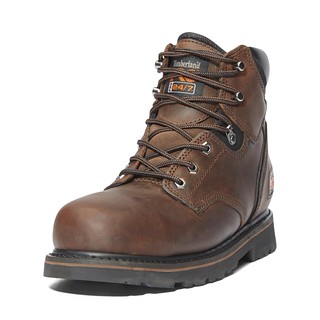
Timberland PRO Pit Boss 6-inch Steel Toe Work Boot
Product Image
Short Description
The Timberland PRO Pit Boss is the pair I would pick first for electricians who work around construction sites, service calls, ladders, panels, and rough floors. It is more of a traditional work boot than a sneaker, but that extra structure is exactly why it works well for demanding electrical jobs.
Key Specifications
- Safety toe type: Steel toe
- Electrical hazard protection: Yes
- Outsole: Heat-, oil-, slip-, and abrasion-resistant rubber outsole
- Boot height: 6-inch
- Comfort system: Timberland PRO 24/7 Comfort Suspension System
- Upper material: Leather
- Toe shape: Asymmetrical safety toe
Pros
- Strong protection for construction and industrial electrical work
- Supportive 6-inch height helps on ladders and uneven surfaces
- Electrical hazard protection adds jobsite confidence
- Durable outsole grips well on changing surfaces
- Better long-term support than most sneaker-style work shoes
Cons
- Heavier than athletic-style safety shoes
- Break-in takes longer than a soft sneaker
- Steel toe may feel colder in winter than composite toe
My Experience
When I think of an all-around electrician boot, this is the style that makes the most sense to me. The Pit Boss feels tougher and more stable than lightweight work sneakers, especially when climbing ladders, kneeling near panels, or walking through construction debris.
The break-in is not instant. I would not wear it for the first time on a 12-hour shift without giving it a few shorter days first. Once broken in, the boot offers the kind of underfoot support I want when standing on concrete or moving between rough and finished areas.
The traction is one of the reasons I like it for electricians. Electrical work often happens around dust, oily shop floors, damp entryways, and unfinished slabs, and a work boot with a serious rubber outsole feels more planted than a casual work shoe. Fit-wise, I would choose my normal work boot size, but anyone between sizes may want to consider thicker work socks or a wide option if available.
What Other Buyers Say
Buyers commonly praise the Pit Boss for durability, support, and dependable protection. Many wear it for construction, warehouse, maintenance, and trade work. The most common complaints are about the break-in period and the weight compared with lighter shoes.
Best For
Best for electricians who need one dependable boot for construction sites, service work, industrial maintenance, and long days on concrete.
➤➤➤ Click Here to Check Price on Amazon
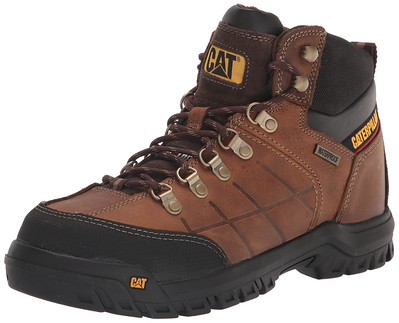
CAT Threshold Waterproof Steel Toe Work Boot
Product Image
Short Description
The CAT Threshold is a practical choice for electricians who work outdoors, in basements, utility areas, wet mechanical rooms, or unfinished jobsites. I like it most for people who need waterproof protection without jumping into a very expensive premium boot.
Key Specifications
- Safety toe type: Steel toe
- ASTM protection: Steel toe protection listed to ASTM F2413
- Waterproof construction: Yes
- Electrical hazard protection: Yes
- Slip-resistant outsole: Yes
- Upper material: Leather
- Boot style: Lace-up work boot
Pros
- Waterproof build helps in wet work areas
- Steel toe adds protection around tools and materials
- Good value for a protective work boot
- Slip-resistant outsole works well for mixed jobsite surfaces
- Suitable for indoor and outdoor electrical work
Cons
- Less breathable than non-waterproof shoes
- Heavier than sneaker-style work shoes
- May feel warm in summer
My Experience
For electricians who work in unpredictable conditions, waterproofing matters. I have been on jobs where a “dry indoor day” turned into walking through puddles, mud near temporary power, or wet concrete. The CAT Threshold is the kind of boot I would choose when I do not want moisture soaking through my socks halfway through a shift.
The steel toe gives it a protective feel, but it is not as nimble as a low-cut work shoe. I notice that kind of difference when crouching repeatedly or moving quickly through finished interiors. Still, the added coverage and waterproof design make sense for rougher electrical work.
Comfort is solid for the price. The boot feels best for electricians who care more about protection and weather resistance than minimum weight. I would pair it with moisture-wicking socks because waterproof boots can trap heat during long summer shifts.
What Other Buyers Say
Customer feedback usually highlights waterproof performance, value, and general jobsite toughness. Some buyers say the boot is comfortable after break-in, while others mention that it can feel stiff at first.
Best For
Best for electricians working outdoors, in wet utility rooms, on construction sites, or in mixed weather conditions.
➤➤➤ Click Here to Check Price on Amazon
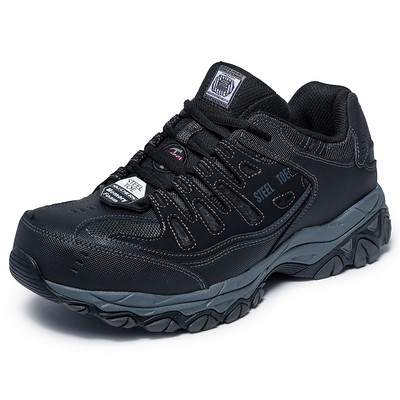
Skechers Cankton Steel Toe Construction Shoe
Product Image
Short Description
The Skechers Cankton is a work shoe, not a tall boot, and that makes it appealing for electricians who want a lighter, more flexible option. I see it as a good fit for maintenance techs, warehouse electricians, low-voltage installers, and anyone who spends more time indoors than on rough outdoor jobsites.
Key Specifications
- Safety toe type: Steel toe
- Electrical hazard protection: ASTM F2413 EH safe design
- Upper material: Duraleather, synthetic, and mesh underlay
- Insole: Skechers Memory Foam cushioned insole
- Fit: Relaxed Fit design
- Closure: Lace-up
- Shoe style: Low-cut work shoe
Pros
- Lighter and more flexible than 6-inch boots
- Memory Foam insole improves step-in comfort
- Steel toe protection in a sneaker-style profile
- Good option for indoor electricians
- Relaxed fit works well for workers who dislike narrow shoes
Cons
- Less ankle support than a boot
- Mesh areas may not be as durable as full leather
- Not the best choice for muddy or rough outdoor work
My Experience
The Cankton feels like the kind of shoe I would wear when I know the job is mostly indoors: pulling wire in commercial spaces, doing maintenance rounds, working in a warehouse, or handling panel work where agility matters.
The biggest benefit is comfort right out of the box. It does not feel like a heavy-duty leather boot, and that is the point. The cushioned insole helps on hard floors, and the low-cut design makes walking and bending easier.
The tradeoff is support. I would not choose this as my first pick for climbing around rough framing all day or walking through demolition debris. But for electricians who want safety toe protection without the bulk of a boot, it is one of the most practical options on this list.
What Other Buyers Say
Many buyers like the Cankton for comfort, value, and lighter-duty work. Common positive feedback mentions the roomy fit and cushioned feel. Critical feedback usually focuses on durability for heavy industrial use and the lack of ankle support.
Best For
Best for indoor electricians, maintenance workers, warehouse electrical techs, and low-voltage installers who want a comfortable safety shoe.
➤➤➤ Click Here to Check Price on Amazon
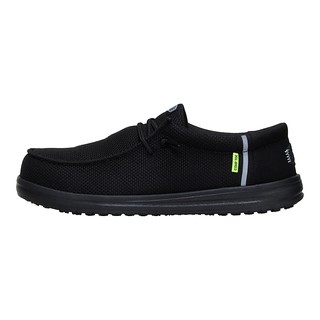
HEYDUDE Wally Work CT Composite Toe Work Shoes
Product Image
Short Description
The HEYDUDE Wally Work CT is a lightweight composite toe work shoe for people who want safety features in a casual, easy-wearing design. For electricians who dislike heavy steel toe boots, this is one of the more comfortable-looking alternatives.
Key Specifications
- Safety toe type: Composite toe
- ASTM rating: ASTM F2413 composite toe
- Electrical hazard rating: EH rated
- Toe material: Non-metallic composite safety toe
- Shoe style: Low-cut work shoe
- Design: Lightweight workwear-inspired design
- Visibility detail: Reflective strip
Pros
- Composite toe is lighter than steel
- EH rating suits many electrical work environments
- Casual design is easy to wear before and after work
- Good choice for lighter-duty service calls
- Less bulky than traditional work boots
Cons
- Less rugged than full leather work boots
- Low-cut design gives minimal ankle support
- Not ideal for harsh construction sites
My Experience
I like the idea of the Wally Work CT for electricians who spend a lot of time moving between service calls, finished buildings, maintenance rooms, and light commercial spaces. It does not look or feel like a heavy construction boot, which can be a good thing when the job involves a lot of walking and kneeling.
The composite toe is the main reason I would consider it over a steel toe sneaker. It keeps the front of the shoe protective without adding as much weight. For electrical work, I also appreciate a non-metallic toe when the job does not specifically require steel.
This is not the shoe I would grab for mud, rebar, framing, or heavy demolition. But for electricians who want protection, comfort, and a cleaner look, it fills a useful space.
What Other Buyers Say
Buyers tend to focus on the lightweight comfort and casual feel. People who already like HEYDUDE shoes often appreciate having a work-rated version. Some reviewers note that it is better for light to moderate work than severe jobsite abuse.
Best For
Best for electricians doing service work, maintenance, inspections, low-voltage jobs, and light commercial electrical work.
➤➤➤ Click Here to Check Price on Amazon
Hogent Wide Non-Slip Steel Toe Work Sneakers
Product Image
Short Description
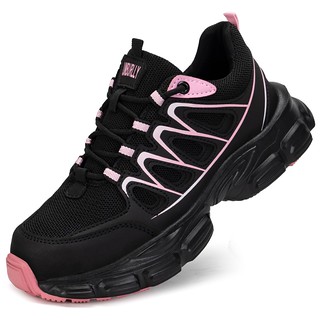
The Hogent Wide Non-Slip Steel Toe Work Sneakers are designed for workers who want a roomier safety sneaker. I included them because fit matters a lot for electricians, especially during long shifts where a narrow toe box can become painful fast.
Key Specifications
- Safety toe type: Steel toe
- Outsole: Non-slip design
- Fit: Wide-foot friendly design
- Shoe style: Work sneaker
- Upper: Textile/synthetic style construction
- Closure: Lace-up
- Protective design: Safety work shoe profile
Pros
- Wide fit is useful for broad feet
- Steel toe protection in a sneaker-style shoe
- More flexible than a traditional leather boot
- Good option for indoor and warehouse environments
- Often easier to wear for long walking shifts
Cons
- Not as supportive as a 6-inch work boot
- Synthetic sneaker-style build may wear faster in rough construction
- Verified safety details are more limited than major-brand models
My Experience
When my toes feel squeezed, the rest of the workday gets worse quickly. That is why I think a wide safety sneaker has a place for electricians. The Hogent is best viewed as a comfort-first work sneaker with safety toe protection, not as a replacement for a heavy-duty boot.
It should feel more flexible underfoot than a traditional leather boot, which helps when walking long distances, working indoors, or bending often. The non-slip design is useful for shop floors, warehouse aisles, and smooth concrete.
For rough construction, I would still prefer the Timberland or CAT. But for electricians who mostly work indoors and struggle with narrow shoes, this Hogent sneaker is worth considering.
What Other Buyers Say
Recurring feedback on this type of wide steel toe sneaker usually centers on roomy fit, lightweight comfort, and affordability. Buyers who need maximum durability for heavy construction may prefer a more rugged boot.
Best For
Best for electricians with wide feet, warehouse electrical workers, maintenance techs, and anyone who prioritizes toe room.
➤➤➤ Click Here to Check Price on Amazon
Tinefiy Steel Toe Safety Work Sneakers
Product Image
Short Description
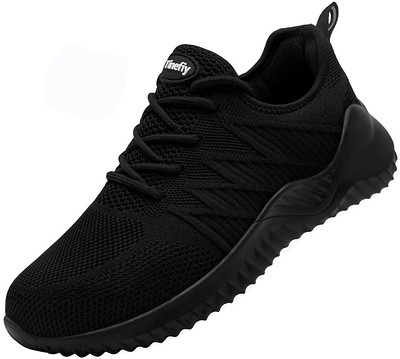
The Tinefiy Steel Toe Safety Work Sneakers are a budget-friendly option for electricians who want safety toe protection in a lightweight sneaker style. I would consider them for light-duty work, apprentices, warehouse tasks, or backup shoes.
Key Specifications
- Safety toe type: Steel toe
- Shoe style: Safety work sneaker
- Upper: Textile/synthetic style construction
- Closure: Lace-up
- Protective design: Steel toe safety shoe
- Available style: Low-cut work sneaker
Pros
- Budget-friendly safety sneaker
- Lightweight feel compared with work boots
- Flexible design for walking and bending
- Steel toe protection for basic jobsite hazards
- Easy to keep as a backup pair
Cons
- Not as rugged as leather work boots
- Limited verified technical details
- Less ankle support than a 6-inch boot
- Better for light-duty work than heavy construction
My Experience
I see the Tinefiy as a practical budget pick. Not every electrician needs a heavy boot every day, and not every apprentice wants to spend premium money right away. For lighter work, indoor tasks, or occasional jobsite use, a steel toe sneaker can make sense.
The main advantage is mobility. It should feel easier to walk in than a heavy boot, and the sneaker shape helps when kneeling, crouching, or moving quickly. The downside is that I would not expect it to match the durability or structure of a premium leather work boot.
For me, this is the pair I would use when budget matters most and the job does not demand maximum waterproofing, ankle support, or long-term abuse resistance.
What Other Buyers Say
Buyers commonly like budget steel toe sneakers for their low price, lighter feel, and easy walking comfort. The main complaints with shoes in this category usually involve long-term durability and less support compared with traditional work boots.
Best For
Best for apprentices, light-duty electricians, warehouse work, backup footwear, and buyers who want affordable steel toe protection.
➤➤➤ Click Here to Check Price on Amazon
How to Choose the Right Work Boots
For electricians, I start with electrical hazard protection. EH-rated footwear is designed to provide secondary protection under specific dry conditions. It does not replace safe work practices, lockout/tagout, insulated tools, or proper PPE, but it is still an important feature to look for.
Safety toe type is the next decision. Steel toe shoes are strong and common, but they can feel heavier. Composite toe shoes are usually lighter and non-metallic, which many electricians prefer. Alloy toe shoes can be lighter than steel, though they are not as common in budget work shoes.
ASTM safety standards matter because they show that the footwear has been tested to recognized safety requirements. For electricians, I like seeing ASTM F2413 for protective toe footwear and EH protection when the job requires it.
Slip resistance is also critical. Electrical work often puts me on ladders, smooth concrete, dusty floors, damp basements, and oily mechanical areas. A good outsole can make a big difference in stability.
Waterproofing depends on the job. If you work outdoors, around utility areas, or in wet basements, waterproof boots are worth it. If you work mainly indoors, breathable work shoes may feel cooler and lighter.
Comfort for long shifts comes down to cushioning, arch support, fit, and weight. A shoe can have every safety feature on paper, but if it hurts after six hours, I will not want to wear it. Wide sizes are important if your toes feel squeezed in standard safety toes.
Boot height is another tradeoff. A 6-inch boot gives better ankle support and protection, while a low-cut work shoe feels lighter and more flexible. For rough construction electrical work, I lean toward boots. For service calls and maintenance, I often prefer lighter work shoes.
Durability usually improves with leather uppers, stronger stitching, and rugged outsoles. Sneaker-style work shoes can be comfortable, but they may not last as long in rough jobsite conditions.
FAQs
Are composite toe shoes good for electricians?
Yes, composite toe shoes can be a good choice for electricians because they are usually lighter than steel toe shoes and use non-metallic toe protection. I still check the ASTM rating and EH rating before relying on them for electrical work.
Do electricians need steel toe shoes?
Some electricians need steel toe shoes because their employer or jobsite requires safety toe footwear. Others may be allowed to wear composite toe or soft toe EH-rated shoes. I always follow the jobsite PPE policy first.
Are EH-rated shoes shockproof?
No. EH-rated shoes are not “shockproof.” They provide secondary protection under certain dry conditions, but they do not make electrical work safe by themselves. Proper electrical safety procedures are still required.
Should electricians wear boots or shoes?
Boots are better for construction, ladders, outdoor work, and rough surfaces. Low-cut work shoes are better for indoor maintenance, service calls, and jobs where lightweight comfort matters more than ankle support.
How long should electrician work shoes last?
Most work shoes last about 6 to 18 months depending on use, surface conditions, body weight, weather exposure, and construction quality. I replace mine when the outsole is worn, the toe protection is damaged, the cushioning collapses, or the upper starts separating.
Conclusion
For the best work shoes for electricians in 2026, my top overall pick is the Timberland PRO Pit Boss 6-inch Steel Toe Work Boot because it offers the strongest balance of protection, support, traction, and durability.
My best value pick is the Skechers Cankton Steel Toe Construction Shoe because it gives electricians a comfortable, lighter safety shoe for indoor and maintenance work. My best premium-style choice is the CAT Threshold Waterproof Steel Toe Work Boot because waterproof protection and jobsite toughness make it dependable for harsher environments.
If I were choosing one pair for serious electrical work, I would go with the Timberland PRO Pit Boss. If I wanted something lighter for indoor jobs, I would choose the Skechers Cankton or HEYDUDE Wally Work CT. For electricians on a tighter budget, the Tinefiy Steel Toe Safety Work Sneakers are the most affordable option on this list.