Finding the best work shoes for flat feet women is not just about picking something soft. In my experience, shoes that feel “cloud-like” at first can become painful halfway through a long shift if they do not control foot fatigue, support the heel, or keep the foot stable.
Flat feet usually need a different kind of comfort. I look for a stable platform, enough cushioning under the heel, a removable footbed when possible, roomy fit, dependable traction, and job-appropriate protection. For this 2026 guide, I focused on work shoes and work-ready boots that make sense for women who stand, walk, stock shelves, work around wet floors, handle light industrial tasks, or need more support than a casual sneaker provides.
Quick Summary
This article is for women with flat feet who need supportive work footwear for long shifts, wet surfaces, warehouses, light construction, kitchens, outdoor work, delivery routes, or general industrial environments.
For flat feet, the best work shoes usually have a stable base, cushioned midsole, secure heel, supportive insole, and enough room to add an orthotic if the factory insole is not enough. My top overall recommendation is the Merrell Women’s Moab 3 Mid Waterproof Boots because they offer the best mix of underfoot support, traction, cushioning, and all-day practicality for flat-footed workers who do not need a safety toe.
Top Product List
- Merrell Women’s Moab 3 Mid Waterproof Boots — Best Overall
- LARNMERN Women’s Steel Toe Loafers — Best Value
- Skechers Cankton Steel Toe Construction Shoe — Best Steel Toe Work Shoe
- Columbia Women’s Newton Ridge Waterproof Boots — Best Premium Choice
- Women’s Waterproof Deck/Work Boots — Best Waterproof Work Shoe
- Chooka Delridge Waterproof Chelsea Rain Boot — Best for Rainy Commutes and Light Work
Top 6 Best Work Shoes for Flat Feet Women for 2026
Merrell Women’s Moab 3 Mid Waterproof Boots
Product Image
Short Description
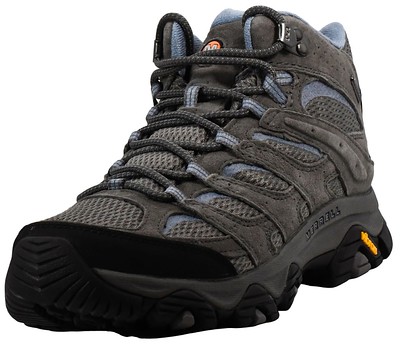
The Merrell Women’s Moab 3 Mid Waterproof Boots are my top pick for women with flat feet who need supportive work footwear but do not require a safety toe. They are built like hiking boots, but that makes them useful for landscaping, warehouse walking, delivery routes, farm work, and long days on uneven ground.
Key Specifications
- Safety toe type: Soft toe
- Waterproof membrane: Yes
- Upper material: Pig suede leather and mesh
- Footbed: Contoured removable footbed
- Cushioning: EVA midsole
- Heel support: Merrell Air Cushion
- Outsole: Vibram traction outsole
- Boot height: Mid-cut
- Available widths: Standard and wide options may be available depending on listing
Pros
- Strong overall support for flat feet
- Good traction on outdoor and uneven surfaces
- Removable insole leaves room for orthotics
- Waterproof design helps in wet work areas
- More stable than a soft athletic sneaker
Cons
- Not a safety toe shoe
- Warmer than a mesh work sneaker
- May feel firm at first
My Experience
For flat feet, I prefer footwear that does not collapse under the arch after a few hours. The Moab 3 feels more structured than most casual work shoes, which is why I like it for long shifts. The midsole is cushioned but not overly squishy, and the heel feels planted enough for walking on gravel, wet grass, or hard floors.
The break-in period is usually reasonable. I would not call it instant slipper comfort, but it softens up after regular wear. I also like that the footbed can be removed because many women with flat feet eventually need a dedicated orthotic. The platform feels supportive enough for all-day walking, especially if your job involves both standing and moving.
What Other Buyers Say
Buyers commonly praise the Moab line for comfort, grip, waterproofing, and durability. Many people like it because it feels supportive without being as heavy as a traditional work boot. Some buyers mention that sizing and width matter, so women with wider flat feet may want to pay close attention to available wide sizes.
Best For
Best for women who work outdoors, walk long distances, stand on mixed surfaces, or need supportive soft toe footwear for landscaping, delivery, light warehouse work, and general outdoor jobs.
➤➤➤ Click Here to Check Price on Amazon
LARNMERN Women’s Steel Toe Loafers
Product Image
Short Description
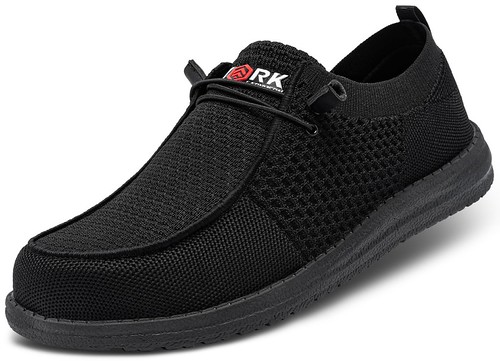
The LARNMERN Women’s Steel Toe Loafers are a practical choice for women who need toe protection but do not want a heavy boot. I like them most for warehouse, retail stockroom, light industrial, and indoor work where a slip-on design is easier than laces.
Key Specifications
- Safety toe type: Steel toe
- Shoe style: Slip-on loafer
- Outsole: Non-slip work-style outsole
- Upper: Breathable work shoe upper
- Fit: Women’s sizing
- Best use: Indoor work, warehouse, light-duty safety footwear
Pros
- Steel toe protection in a lighter shoe format
- Easy slip-on design
- Better value than many premium work shoes
- More breathable than leather boots
- Good option for workers who dislike bulky footwear
Cons
- Less ankle support than a boot
- Factory arch support may not be enough for severe flat feet
- Not ideal for heavy construction or muddy outdoor work
My Experience
For women with flat feet, I see the LARNMERN loafers as a practical base shoe rather than a full orthopedic solution. The big advantage is that they are lighter and easier to wear than a traditional steel toe boot. On long indoor shifts, that can make a real difference.
The slip-on style is convenient, but I would be careful about fit. Flat feet often spread wider by the end of the day, so a shoe that feels slightly snug in the morning can become annoying later. I would use these with supportive work socks and consider adding a low-profile insole if the arch support feels too mild.
What Other Buyers Say
Customer feedback often highlights the lightweight feel, convenience, and affordable price. Buyers who work in warehouses and indoor job sites tend to like the easy slip-on design. The most common concerns are fit consistency and the need for extra insole support if you have sensitive feet.
Best For
Best for warehouse workers, retail stockroom staff, light manufacturing, packing jobs, and women who need steel toe protection without wearing a heavy boot.
➤➤➤ Click Here to Check Price on Amazon
Skechers Cankton Steel Toe Construction Shoe
Product Image
Short Description
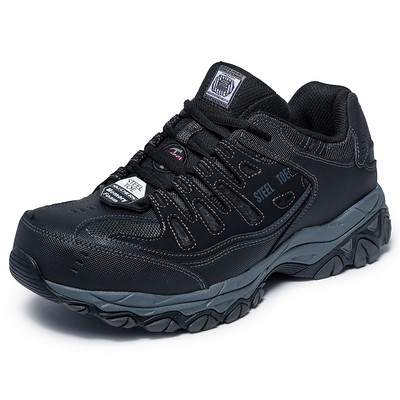
The Skechers Cankton Steel Toe Construction Shoe is a work sneaker-style option for women who want cushioning, toe protection, and a roomier fit. Although it is often listed in men’s sizing, many women use work shoes like this by converting sizes, especially when they need more width.
Key Specifications
- Safety toe type: Steel toe
- EH rating: Electrical hazard protection
- Insole: Skechers Memory Foam cushioned insole
- Upper material: Synthetic, leather-like, and mesh materials
- Fit: Relaxed Fit design
- Closure: Lace-up
- Style: Low-cut work shoe
Pros
- Cushioned underfoot feel
- Steel toe protection
- Roomier fit can help wider flat feet
- More flexible than a work boot
- Good for indoor hard floors
Cons
- Low-cut design gives less ankle support
- Memory foam may compress over time
- Not the best choice for wet outdoor work
My Experience
The Cankton is the kind of shoe I would consider for flat feet when a person wants more cushioning than a basic safety shoe. The relaxed fit is useful because flat feet often need more midfoot room. I also like that it feels more like a sneaker than a boot, which can reduce fatigue for warehouse and concrete-floor work.
That said, soft memory foam is not the same as firm arch support. For mild flat feet, it may be enough. For overpronation or plantar fasciitis, I would treat the factory insole as a starting point and add a better orthotic if needed. Stability is decent for a low work shoe, but I would not use it for rough outdoor terrain.
What Other Buyers Say
Buyers frequently mention comfort, roomy fit, and good value for a steel toe shoe. Many like the sneaker-like feel for long shifts. Some say the shoe can run wide or bulky, while others appreciate that extra space because it allows the foot to spread naturally.
Best For
Best for warehouse work, manufacturing, assembly lines, maintenance, stockrooms, and indoor jobs where steel toe protection and cushioning matter more than waterproofing.
➤➤➤ Click Here to Check Price on Amazon
Columbia Women’s Newton Ridge Waterproof Boots
Product Image
Short Description
The Columbia Women’s Newton Ridge Waterproof Boots are a strong choice for women who need supportive waterproof footwear for outdoor work, wet commutes, light jobsite use, or long walking days. I see them as a more polished, work-ready hiking boot for flat-footed women who want support without a bulky industrial boot.
Key Specifications
- Safety toe type: Soft toe
- Waterproof construction: Yes
- Midsole: Lightweight cushioned midsole
- Outsole: Omni-Grip traction rubber
- Upper: Leather, suede, mesh, or synthetic materials depending on version
- Boot height: Mid-cut hiking boot
- Weight: Lightweight for a waterproof boot category
Pros
- Supportive for long walking days
- Waterproof design is useful in wet conditions
- Good grip for outdoor surfaces
- Lighter than many work boots
- More versatile style than a safety boot
Cons
- No safety toe
- Not designed for heavy industrial work
- May need an aftermarket insole for stronger arch control
My Experience
I like the Newton Ridge for flat feet because it gives a stable hiking-boot platform without feeling overly stiff. The outsole grips well enough for wet pavement, dirt paths, and general outdoor work, while the upper gives more structure than a soft sneaker.
For long shifts, the cushioning feels dependable, but I would still pay attention to arch needs. If your flat feet cause your ankles to roll inward, the boot’s supportive shape helps, but a dedicated insole may improve alignment even more. The break-in is usually manageable, and the boot works well for women who split their day between walking, standing, and commuting.
What Other Buyers Say
Buyers often praise the Newton Ridge for comfort, waterproof performance, light weight, and traction. Many women like it for hiking, travel, wet weather, and active workdays. The most common complaints involve sizing variation and the need to choose the right socks for the best fit.
Best For
Best for outdoor workers, delivery routes, landscaping, wet commutes, farm chores, and women who want a supportive waterproof boot without a safety toe.
➤➤➤ Click Here to Check Price on Amazon
Women’s Waterproof Deck/Work Boots
Product Image
Short Description
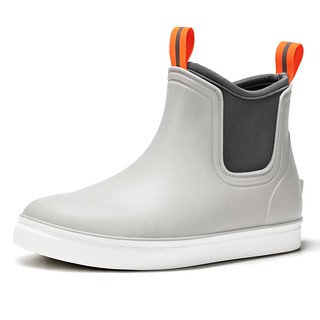
The Women’s Waterproof Deck/Work Boots are designed for wet environments where keeping feet dry and stable is the main priority. I would choose these for fishing docks, washing areas, garden work, food processing surroundings, rainy job sites, and other places where regular sneakers get soaked quickly.
Key Specifications
- Safety toe type: Soft toe
- Waterproof construction: Yes
- Boot style: Ankle deck/work boot
- Outsole: Slip-resistant work-style outsole
- Upper: Waterproof rubber-style upper
- Best use: Wet work, deck work, rainy conditions
Pros
- Excellent wet-weather practicality
- Easy to clean
- Lower ankle height is easier to move in
- Good for messy work environments
- More convenient than tall rubber boots
Cons
- Limited arch support compared with hiking boots
- Not a safety toe boot
- Can feel warm in hot weather
- Less breathable than mesh work shoes
My Experience
For flat feet, I would not pick a waterproof deck boot as my only all-day support shoe unless I added a supportive insole. But for wet work, this style is hard to beat. It keeps water out better than most leather or mesh shoes, and the lower cut makes it easier to crouch, climb, and move around.
The traction-focused outsole is the main reason I like it for wet environments. Flat feet can already make balance feel less secure, so a grippy sole matters. I would use these when waterproofing is the top priority and pair them with an insole that adds arch support and heel stability.
What Other Buyers Say
Buyers usually like waterproof deck boots for their easy cleanup, wet-surface traction, and convenience. Feedback often points to comfort for short to moderate shifts, though people who stand all day may want extra insole support.
Best For
Best for wet floors, fishing, boat work, gardening, food prep areas, cleaning tasks, rainy commutes, and messy outdoor jobs.
➤➤➤ Click Here to Check Price on Amazon
Chooka Delridge Waterproof Chelsea Rain Boot
Product Image
Short Description
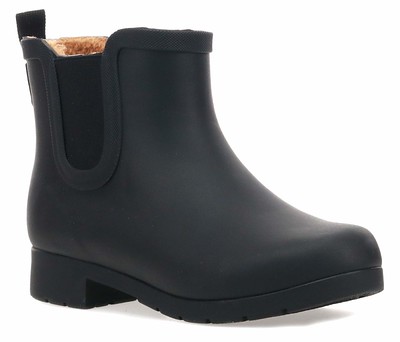
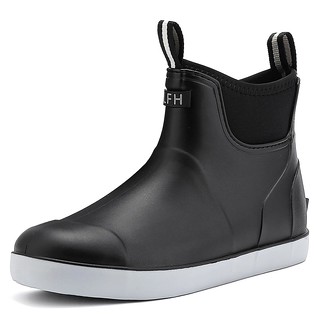
The Chooka Delridge Waterproof Chelsea Rain Boot is a good pick for women who need waterproof footwear for commuting, light work, and wet weather but do not want a heavy work boot. It is more of a rain-ready Chelsea boot than a safety shoe, so I recommend it for lighter-duty environments.
Key Specifications
- Safety toe type: Soft toe
- Waterproof construction: Yes
- Upper material: Natural rubber
- Lining: Faux fur lining on some versions
- Style: Chelsea rain boot
- Closure: Pull-on
- Best use: Rain, wet commutes, light-duty work
Pros
- Waterproof and easy to clean
- Pull-on Chelsea style is convenient
- More casual-looking than industrial boots
- Good for wet pavement and light chores
- Comfortable option for rainy workdays
Cons
- Not a safety shoe
- Not ideal for heavy-duty jobs
- Less breathable than leather or mesh
- May not fit very wide feet comfortably
My Experience
The Chooka Delridge makes the most sense when the workday involves rain, puddles, errands, or light-duty indoor/outdoor movement. For flat feet, I like the stable rubber base, but I would not expect the same support level as the Merrell or Columbia boots.
The pull-on style is convenient, especially when I need something quick for wet weather. The tradeoff is that Chelsea rain boots do not lock the foot down like lace-up shoes. If your flat feet slide inward or you need serious pronation control, I would add a supportive insole and make sure the heel does not lift too much.
What Other Buyers Say
Buyers often like Chooka rain boots for waterproofing, comfort, warmth, and everyday wearability. Many appreciate that they look less bulky than traditional rain boots. Common concerns include sizing, narrowness for some feet, and breathability during warmer weather.
Best For
Best for rainy commutes, office-to-outdoor wear, light cleaning tasks, garden chores, wet sidewalks, and women who need waterproof comfort more than safety protection.
➤➤➤ Click Here to Check Price on Amazon
How to Choose the Right Work Boots
When I choose work shoes for flat feet, I start with support before style. A shoe can look perfect online, but if the midsole twists easily or the heel collapses, it usually will not feel good after eight or ten hours.
For safety toe types, steel toe shoes provide strong impact protection but can feel heavier. Composite toes are usually lighter and do not conduct temperature as much, while soft toe shoes are best when your job does not require impact protection. Always match the toe type to your workplace rules.
ASTM safety standards matter if your employer requires certified footwear. Look for clear safety markings such as ASTM F2413 for protective toe footwear, EH for electrical hazard protection, and slip-resistance information when available. Do not assume every “work shoe” is safety-rated.
Waterproof shoes are useful for rain, mud, washing areas, and outdoor work, but they can run warmer. Breathable mesh work shoes are better for hot indoor shifts, but they will not protect as well against puddles or wet grass.
For flat feet, comfort is not just cushioning. You need structure. I look for a firm heel counter, stable outsole, removable insole, and enough width through the midfoot. If your feet roll inward, a soft foam shoe may feel good at first but leave you tired later.
Leather is usually more durable and supportive, while synthetic and mesh materials are lighter and more breathable. Rubber boots are excellent for wet work but often need upgraded insoles for true all-day flat-foot support.
Slip resistance is important for kitchens, warehouses, hospitals, cleaning jobs, and wet concrete. A grippy outsole can reduce fatigue because your feet do not have to work as hard to stabilize every step.
Weight also matters. Heavy work boots can tire flat feet quickly, but shoes that are too light may lack support. I try to find the middle ground: enough structure to stabilize the foot without making every step feel like a chore.
Boot height depends on your job. Low work shoes are lighter and cooler. Mid-cut boots add ankle support and stability. Tall waterproof boots protect better in mud and water but are usually less comfortable for all-day walking.
Finally, think about insoles. Many women with flat feet get the best results by choosing a stable work shoe and replacing the factory insole with an orthotic or supportive insert. The shoe provides the structure; the insole fine-tunes the arch support.
FAQs
Are steel toe shoes good for women with flat feet?
Yes, they can be, but only if the shoe has enough room, cushioning, and stability. Steel toe protection does not automatically mean good support. For flat feet, I would look for a roomy toe box, secure heel, and removable insole.
Should flat feet use soft or firm work shoes?
I prefer firm support with moderate cushioning. Very soft shoes can feel comfortable at first, but they may allow the arch to collapse during long shifts. A stable midsole usually works better than a marshmallow-soft sole.
Are waterproof work shoes bad for flat feet?
No, but waterproof shoes can be warmer and less breathable. For flat feet, the bigger issue is whether the shoe has enough structure and insole support. Waterproof deck boots and rain boots often benefit from an added orthotic.
Do women with flat feet need wide work shoes?
Not always, but many do. Flat feet often spread under body weight, especially after hours of standing. A wide or relaxed fit can reduce pressure across the midfoot and toes.
How often should women with flat feet replace work shoes?
Replace them when the outsole is worn unevenly, the heel leans, the midsole feels compressed, or foot pain returns. For full-time work, many shoes need replacement every six to twelve months depending on job conditions and body weight.
Conclusion
For the best work shoes for flat feet women in 2026, my top overall pick is the Merrell Women’s Moab 3 Mid Waterproof Boots because they offer the best balance of support, traction, cushioning, and waterproof practicality.
The best value choice is the LARNMERN Women’s Steel Toe Loafers because they give women affordable toe protection in a lighter, easier-to-wear slip-on design. The best premium choice is the Columbia Women’s Newton Ridge Waterproof Boots because they combine supportive waterproof performance with a lighter, more versatile feel than many traditional work boots.
If your job requires a safety toe, start with the LARNMERN or Skechers options. If your main problem is flat-foot fatigue during long shifts, I would choose the Merrell first. And if wet weather is your daily challenge, the Columbia, Women’s Waterproof Deck/Work Boots, or Chooka Delridge are the most practical picks.